

Web Development: What Every Business Owner Should Know
Published by Nextport Tech

Your website is often the very first impression a potential customer has of your business — and in many cases, it’s the deciding factor between someone becoming a customer or moving on to a competitor. Behind every fast, functional, and good-looking website is web development: the process of building and maintaining the sites and applications people use every day.
Whether you’re planning a new website or trying to understand what your development team is actually doing, this guide from Nextport Tech breaks down the fundamentals of web development in plain language.
What Is Web Development?
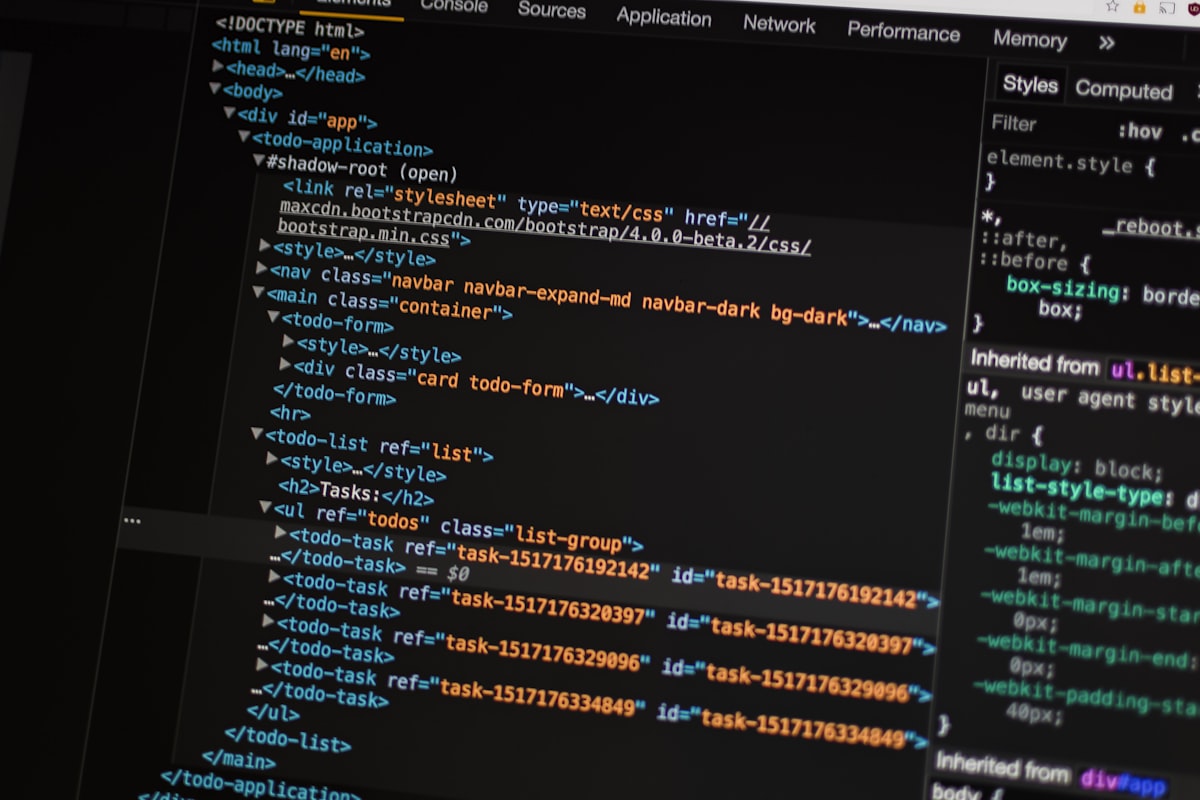
Web development is the process of building, coding, and maintaining websites and web applications. It covers everything from the visual layout users interact with to the behind-the-scenes systems that make a site actually function — handling data, processing forms, managing user accounts, and more.
Web development is generally split into three core areas:
1. Front-End Development
This is everything users see and interact with directly — layout, design, buttons, navigation, and animations. Front-end developers use languages like HTML, CSS, and JavaScript, often alongside frameworks such as React, Vue, or Angular, to build interfaces that are both functional and visually appealing.
2. Back-End Development
This is the “engine” behind a website — the server, database, and application logic that power everything happening behind the scenes. When you log into an account, submit a form, or make a purchase, back-end systems process that request and return the right result. Common back-end languages include Python, PHP, Node.js, Java, and Ruby.
3. Full-Stack Development
Full-stack developers work across both front-end and back-end, giving them the ability to build a complete website or application from start to finish. This is especially valuable for smaller teams or projects that need one person (or a small team) to handle the entire build.
Why Web Development Matters for Businesses
A website isn’t just a digital brochure — it’s a core business asset. Here’s why solid web development matters:
- First impressions count — A slow, outdated, or broken website can drive potential customers away within seconds.
- Mobile usability is essential — With the majority of web traffic coming from mobile devices, a site must function flawlessly across all screen sizes.
- Speed affects conversions — Slow-loading pages lead to higher bounce rates and lost sales.
- Security protects your business and customers — Poorly built websites are vulnerable to hacking, data breaches, and downtime.
- SEO depends on solid development — Search engines favor websites that are fast, well-structured, and technically sound.
Key Elements of a Well-Built Website
Responsive Design
A responsive website automatically adjusts its layout to look and function well on any device — desktop, tablet, or mobile — without requiring separate versions of the site.
Clean, Efficient Code
Well-written code isn’t just about function — it affects load times, maintainability, and how easily a site can be updated or scaled in the future.
Intuitive Navigation
Visitors should be able to find what they’re looking for quickly. Confusing menus or buried information lead to frustration and lost customers.
Strong Security Practices
This includes SSL certificates, secure data handling, regular updates, and protection against common vulnerabilities — all essential for protecting both the business and its customers.
Scalability
A well-developed website should be able to grow with the business, whether that means adding new pages, features, e-commerce capability, or handling increased traffic over time.
Common Types of Websites Businesses Build
- Business/Informational Websites — Showcase services, build credibility, and provide contact information
- E-Commerce Websites — Enable online product sales, complete with shopping carts and payment processing
- Web Applications — Interactive platforms like booking systems, dashboards, or customer portals
- Portfolio/Personal Websites — Highlight work, skills, or personal branding
- Blogs and Content Sites — Focused on publishing and organizing written or media content
The Web Development Process
A typical web development project generally follows these stages:
- Planning — Defining goals, target audience, and site structure
- Design — Creating wireframes and visual mockups of the site
- Development — Building the front-end and back-end functionality
- Testing — Checking for bugs, broken links, and performance issues across devices
- Launch — Deploying the website to a live server
- Maintenance — Ongoing updates, security patches, and improvements after launch
Choosing the Right Approach for Your Business
Businesses generally have three options when building a website:
- DIY website builders (like Wix or Squarespace) — Good for very simple sites with limited budgets, but often limited in customization and scalability.
- Freelancers — Can be cost-effective for smaller projects but may lack the resources for larger, more complex builds.
- Professional development agencies — Best suited for businesses that need custom functionality, scalability, and long-term technical support.
The right choice depends on your business’s complexity, budget, and long-term growth plans.
Final Thoughts
Web development is far more than just making a website look good — it’s about building a fast, secure, and scalable foundation that supports your business’s goals. Whether you’re launching your first website or upgrading an existing one, investing in proper development pays off through better user experience, stronger search visibility, and ultimately, more customers.
At Nextport Tech, we specialize in building custom websites and web applications tailored to your business needs — from simple informational sites to complex, scalable platforms. If you’re ready to build or improve your website, our team is here to help.
Looking to build a website that truly represents your business? Contact Nextport Tech to get started.